Choose Hope: Integrating a Whimsical Display Font into Professional Workflows
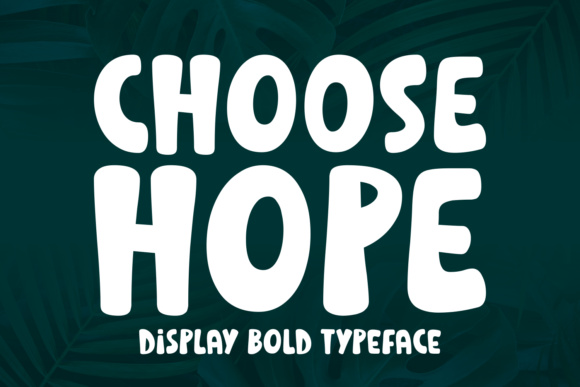
In the landscape of digital design, typography is rarely just about readability; it is about voice. It sets the emotional tone before a single word is processed by the brain. For professionals, creators, and entrepreneurs who spend their days balancing strict brand guidelines with the need for creative expression, finding the right typeface is often a bottleneck in the production process. This is where Choose Hope enters the workflow. As a whimsical and fun display font, it serves as a specialized tool designed to inject personality into static layouts. However, using a display font effectively requires more than simply dragging and dropping it onto a canvas. It demands an understanding of its specific character, its limitations, and how it interacts with other visual elements within a broader project lifecycle.
The potential of Choose Hope lies in its ability to elevate any creation, transforming mundane headers into engaging focal points. Whether you are a freelancer designing a one-page flyer or a small business owner crafting social media assets, integrating this font smoothly into your routine can save time while enhancing aesthetic quality. The key to leveraging such a distinctive typeface is not to treat it as a default body text, but as a strategic accent that guides the viewer’s eye and reinforces the message’s intent.
Understanding the Role of Display Fonts in Visual Hierarchy
To integrate Choose Hope effectively, one must first understand its place in the typographic hierarchy. In most professional workflows, fonts are categorized by function: body text for reading, UI fonts for interface clarity, and display fonts for impact. Choose Hope falls squarely into the latter category. Its whimsical nature makes it unsuitable for dense paragraphs or small-point sizes, where legibility would suffer. Instead, its strength is realized when used for headlines, titles, quotes, or short phrases that require immediate attention.
When planning a project, consider the "before" phase: the conceptualization stage. During brainstorming sessions or mood board creation, selecting a primary display font helps anchor the visual direction. If the goal is to convey joy, creativity, or approachability, choosing a font like Choose Hope early in the process ensures consistency across all deliverables. It acts as a north star for the design team, ensuring that every element, from color palette to imagery, complements the playful yet polished vibe the font provides. This pre-project decision-making reduces friction later, as there is no ambiguity about the intended tone.
Compatibility and Pairing Strategies
A common mistake in implementation is failing to pair a strong display font with appropriate supporting typefaces. Because Choose Hope has significant visual weight and character, it requires balance. The best practice is to pair it with a neutral, highly readable sans-serif or serif font for body copy. This contrast creates a dynamic tension that keeps the design interesting without becoming chaotic.
- Sans-Serif Pairings: For a modern, clean look, pair Choose Hope with geometric sans-serifs. This combination works well for tech startups, educational materials, or lifestyle brands aiming for a contemporary feel.
- Serif Pairings: For a more traditional or literary aesthetic, combine it with classic serifs. This can be effective for book covers, event invitations, or boutique retail branding.
This pairing strategy should be documented in your style guides or asset libraries. By establishing these rules upfront, you ensure that anyone on your team—or any future contractor—knows exactly how to use the font. This organizational step is crucial for maintaining quality control and efficiency, especially when scaling content production.
Practical Implementation Across Different Mediums
The utility of Choose Hope extends beyond traditional print media. In today’s multi-channel marketing environment, designers must adapt their workflows to fit various platforms, from web banners to Instagram stories. The whimsical nature of this font translates well to digital spaces where capturing attention in a split second is critical. However, technical considerations regarding file formats and rendering must be addressed during the export phase.
Digital Assets and Web Integration
When implementing Choose Hope in web design, performance becomes a factor. Display fonts often contain complex glyphs and curves that can increase file size if not optimized. To maintain site speed and user experience, ensure that the font files are properly subsetted—meaning only the characters actually used in the project are included. Additionally, consider using web-safe fallbacks. If the browser fails to load the custom font, the layout should not break. A robust workflow includes testing how the design degrades gracefully, ensuring that even if the whimsical header doesn’t render perfectly, the content remains accessible.
For social media graphics, which are often viewed on mobile devices, the scale of Choose Hope needs careful adjustment. Large, bold applications work well for full-screen story backgrounds, while smaller applications might get lost in the noise of a feed. Test different sizes and weights to find the sweet spot where the font’s personality shines without overwhelming the accompanying image or call-to-action button.
Print Materials and Tangible Touchpoints
In physical production, the tactile quality of paper and ink plays a role in how Choose Hope is perceived. The whimsical lines of the font may benefit from high-contrast printing methods. When preparing files for print, verify that the resolution is set to at least 300 DPI and that all text is converted to outlines or embedded correctly. This prevents issues during the pre-press phase, where missing fonts can cause costly delays. By treating font integration as a critical checkpoint in your print workflow, you avoid last-minute scrambles and ensure the final product matches the digital mockup.
Workflow Efficiency and Asset Management
For freelancers and agency owners, time is a finite resource. Relying on a versatile font like Choose Hope can streamline the creative process, provided it is organized correctly. One effective method is creating a dedicated library or folder structure for unique typefaces. Within this library, include not just the font files (OTF, TTF), but also usage examples, pairing suggestions, and licensing information.
Consider the scenario of a client requesting a quick turnaround on a promotional banner. Having Choose Hope readily available in your preferred design software’s preset panel allows for instant application. You can then focus on layout and imagery rather than searching for the right typeface. This reduction in cognitive load leads to faster execution and less fatigue, allowing you to take on more projects or dedicate more time to refining the details that matter.
Furthermore, documenting your choices adds value to your service. When presenting a final design, explaining why Choose Hope was selected—citing its ability to evoke hope, fun, or engagement—demonstrates strategic thinking. It shows clients that your decisions are rooted in psychology and design principles, not just personal preference. This transparency builds trust and positions you as a thoughtful partner in their business growth.
Long-Term Use and Brand Consistency
As trends shift, the longevity of a font choice becomes important. While whimsical fonts can sometimes feel dated if overused or paired poorly, Choose Hope’s balanced design offers flexibility. It is distinct enough to stand out but refined enough to remain professional. To ensure long-term relevance, periodically review how the font performs in new contexts. Does it still resonate with your target audience? Is it still legible on newer screen technologies?
Consistency is the hallmark of strong branding. Once Choose Hope is established as part of your visual identity, use it consistently across all touchpoints. From email newsletters to packaging labels, the repeated exposure reinforces brand recognition. However, consistency does not mean monotony. Vary the size, color, and background to keep the application fresh. The goal is to create a cohesive system where Choose Hope feels like a natural, expected part of the brand’s voice.
Educational and Community Applications
Beyond commercial use, Choose Hope is an excellent asset for educators and community organizers. Workshops, webinars, and online courses often struggle with dry, academic aesthetics. Introducing a touch of whimsy through headings and section dividers can make learning materials feel more inviting and less intimidating. For bloggers and content creators, using this font for pull quotes or featured article titles can increase click-through rates by breaking up the visual rhythm of text-heavy pages.
In these contexts, the font serves as a bridge between authority and approachability. It signals that while the content is valuable, the delivery is friendly and accessible. This subtle psychological cue can improve engagement and retention, making it a powerful tool in the educator’s toolkit.
Conclusion on Strategic Integration
Choosing the right tools is fundamental to efficient workflow management. Choose Hope is more than just a decorative element; it is a strategic asset that, when integrated thoughtfully, can enhance communication and elevate design quality. By understanding its role in visual hierarchy, pairing it wisely, optimizing it for various mediums, and organizing it within your asset library, you can harness its full potential. The result is a smoother creative process, stronger brand presence, and designs that not only look good but also work harder for your goals. Embrace the whimsy, but ground it in process, and let Choose Hope bring a spark of inspiration to your next project.