Fairy Lights
Selecting the right typeface is often one of the most overlooked yet critical decisions in design. It dictates not just how information is presented, but how it feels. When you are looking for a font that brings warmth, whimsy, and an immediate sense of celebration to your project, Fairy Lights stands out as a compelling option. Described as an incredibly cool and festive display font, it captures the essence of magic—perfect for cartoon-related designs, children’s games, or any creation requiring a lovely, delicate touch.
However, because display fonts like Fairy Lights are so visually dominant, they come with specific pitfalls. Many creators, especially beginners, fall into the trap of overusing them or applying them in contexts where readability suffers. This article explores what makes Fairy Lights special, common mistakes to avoid when using it, and practical advice on how to leverage its strengths effectively.
Understanding the Aesthetic Appeal
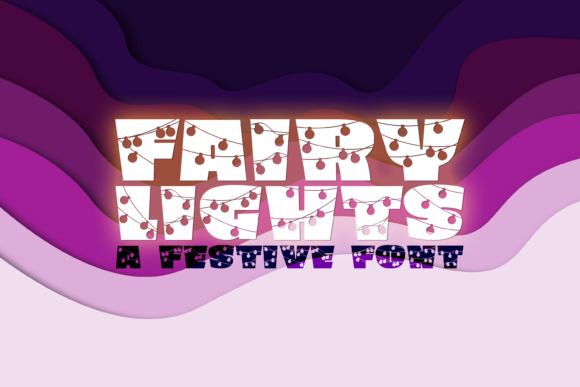
Fairy Lights is designed to evoke the feeling of twinkling bulbs strung across a patio or a cozy bedroom. The characters often feature thin, elegant strokes that mimic the delicate wires of string lights, sometimes adorned with small decorative elements that suggest glowing bulbs. This aesthetic is inherently festive and inviting.
For entrepreneurs running a boutique bakery, educators creating classroom decorations, or freelancers designing party invitations, this font offers an instant emotional connection. It signals joy, relaxation, and special occasions. Unlike rigid geometric sans-serifs or formal serifs, Fairy Lights feels personal and hand-crafted, even if it is a digital typeface. This "handmade" quality is why it resonates so well with hobbyists and small business owners who want their brand to feel accessible and warm.
Where Fairy Lights Shines
- Event Branding: Wedding save-the-dates, birthday party flyers, and holiday cards benefit from its celebratory nature.
- Children’s Media: In children’s games or educational materials, the playful curves help maintain engagement without being overwhelming.
- Cartoon and Illustration: If you are designing characters or comic strips that require a lighthearted tone, this font complements soft, rounded art styles perfectly.
Common Mistakes and How to Avoid Them
While Fairy Lights is undeniably attractive, its very nature can lead to usability issues if not handled with care. Display fonts are meant to be seen, not read at length. Here are the most frequent errors designers make and how to correct them.
Mistake 1: Using It for Body Text
The most significant error is attempting to use Fairy Lights for paragraphs of text. The thin strokes and decorative details that give the font its charm become illegible when scaled down. Long passages set in this font cause eye strain and confuse the reader, undermining the professional quality of your work.
The Fix: Reserve Fairy Lights for headlines, titles, logos, or short labels. Pair it with a highly readable sans-serif or serif font for body copy. For example, use Fairy Lights for the main title "Magical Night Out" and a clean Arial or Georgia for the event details below it. This contrast ensures that while the design is festive, the information remains clear.
Mistake 2: Ignoring Contrast and Spacing
Because the letters in Fairy Lights are often thin, they can get lost against busy backgrounds or dark colors. Additionally, the decorative elements may clash if kerning (space between characters) is not adjusted properly. Poor spacing can make words look cluttered or disjointed, ruining the elegant illusion of continuous string lights.
The Fix: Always test your text against various background colors. Lighter versions of the font work best on dark backgrounds, while darker weights should be used on light backgrounds. Pay close attention to letter spacing; you may need to increase tracking slightly to let the delicate lines breathe. Use high-contrast color palettes to ensure the text pops.
Mistake 3: Overloading the Design
It is tempting to use Fairy Lights everywhere because it looks so good. However, using it for every element—from the logo to the footer—creates visual noise. A design saturated with one distinctive style lacks hierarchy and fails to guide the viewer’s eye.
The Fix: Treat Fairy Lights as an accent. Let it highlight key messages or add personality to specific sections. Balance it with neutral, understated elements. If you are designing a website, use it sparingly for banners or special offers rather than navigation menus.
Evaluating Licensing and Compatibility
Before downloading or purchasing Fairy Lights, it is crucial to understand the licensing terms. Fonts are intellectual property, and misuse can lead to legal issues or unexpected costs. Some fonts labeled as "free" may only be free for personal use, requiring a commercial license for business projects.
Checklist Before You Buy:
- License Type: Verify whether the license covers commercial use, print, web, or app embedding.
- File Formats: Ensure the download includes necessary formats like OTF, TTF, and preferably WOFF/WOFF2 for web use.
- Kerning Pairs: Check if the font file includes proper kerning pairs. Poor kerning requires manual adjustment, which is time-consuming.
- Alternative Weights: Does the family offer bold or italic variants? Having multiple weights allows for better hierarchy within your design.
Practical Application Tips
To get the most out of Fairy Lights, consider these practical applications:
- Layering Effects: Add a subtle drop shadow or glow effect to enhance the "light" theme. Be careful not to overdo it; a soft, blurred shadow works better than a harsh, black outline.
- Texture Integration: Combine the font with textured backgrounds like paper or wood grain to enhance the cozy, rustic feel associated with fairy lights.
- Color Psychology: Use warm colors like gold, yellow, or soft white to reinforce the lighting motif. Cool blues or purples can also work for a more magical, nighttime vibe.
Conclusion
Fairy Lights is a versatile and charming font that can elevate designs related to celebration, childhood, and creativity. By avoiding common pitfalls such as using it for body text, ignoring contrast, and neglecting licensing details, you can ensure your projects remain both beautiful and functional. Remember, the goal is to use the font as a tool to enhance communication, not obscure it. With thoughtful application, Fairy Lights will bring the desired lovely touch to your creations, making them memorable and engaging for your audience.