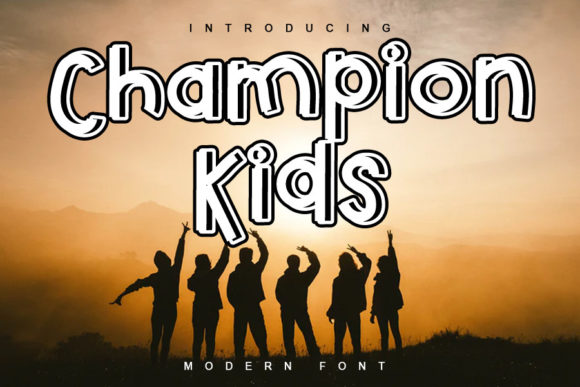
Champion Kids: The Perfect Font for Playful Design
Typography is more than just legibility; it is the voice of your design. When you are working on projects that target children, educators, or families, the font you choose sets the emotional tone before a single word is read. This is where Champion Kids shines. It is not merely a typeface; it is a tool for capturing attention, conveying authenticity, and bringing a sense of joyful energy to static pages.
For designers, marketers, and creators aged 20–50, finding a font that balances "cool" with "readable" can be a challenge. Many playful fonts sacrifice clarity for style, while many clear fonts lack personality. Champion Kids bridges this gap. It embodies playfulness without being childish in a simplistic way. It feels authentic, hand-drawn yet structured, making it ideal for school projects, activity books, marketing materials, and digital content aimed at younger audiences or those young at heart.
Why Authenticity Matters in Children’s Typography
In an era dominated by polished, corporate sans-serifs, there is a growing demand for authenticity. Parents and educators want materials that feel human, approachable, and genuine. A rigid, geometric font can feel sterile in a classroom setting or on a child’s activity sheet. Conversely, overly messy handwriting fonts can be difficult to read and may frustrate early readers.
Champion Kids strikes a careful balance. Its letterforms have a slight irregularity that mimics natural writing, but they maintain enough consistency to remain legible. This authenticity builds trust. When a parent sees a flyer for a weekend workshop or a teacher sees a worksheet designed with this font, the immediate association is one of care and effort. It signals that the content was made with intention, not just generated by an algorithm.
The Psychology of Playful Fonts
Visual cues influence behavior. Rounded edges, varied stroke weights, and slight asymmetries in letters like 'a', 'e', and 'g' create a sense of movement and friendliness. These characteristics lower cognitive load for young readers, making text feel less intimidating. For adult audiences engaging with children’s content—such as blog posts about parenting or educational resources—this same visual warmth invites engagement. It softens the message, making complex ideas feel accessible.
Creative Applications for Champion Kids
Understanding the font is one thing; knowing how to use it effectively is another. Here are several practical ways to integrate Champion Kids into your workflow, whether you are a freelancer, a small business owner, or an educator.
- School Projects and Educational Materials: Use this font for headings in worksheets, flashcards, and classroom posters. The playful nature helps keep students engaged, while its structure ensures they can still decode the words easily. It works particularly well for subjects like science experiments, art instructions, or reading comprehension activities.
- Event Marketing and Flyers: If you are organizing a children’s party, a summer camp, or a local community event, Champion Kids adds instant vibrancy. Pair bold headlines in Champion Kids with clean body text (like a simple sans-serif) to create hierarchy. The headline grabs attention, while the body text provides necessary details clearly.
- Branding for Kids’ Products: Small businesses selling toys, crafts, or educational apps can use Champion Kids for logos or packaging accents. It communicates fun and reliability simultaneously. However, avoid using it for long paragraphs of text; reserve it for titles, buttons, and short phrases.
- Digital Content and Social Media: In the fast-scrolling world of Instagram or Pinterest, unique typography stands out. Create quote graphics, tips, or announcements using Champion Kids for the key message. The "cool" factor of the font makes shareable content feel trendy rather than outdated.
Design Principles for Using Playful Fonts
To ensure your designs remain professional and effective, consider these guidelines when incorporating Champion Kids into your projects.
Balance Playfulness with Readability
While the font is playful, it should never hinder communication. Avoid using Champion Kids for dense blocks of text. Instead, use it strategically for emphasis. A good rule of thumb is to let the font do the heavy lifting for the title or the call-to-action, while relying on neutral, highly readable fonts for supporting information. This contrast creates visual interest without causing eye strain.
Color Combinations
The versatility of Champion Kids allows it to work with a wide range of color palettes. For a modern look, pair it with muted pastels or earthy tones. For high-energy applications, such as sports-themed kids' events, combine it with bright primary colors. Experiment with contrasting colors to make the text pop. For example, dark navy blue text on a soft yellow background can enhance readability while maintaining the cheerful vibe.
Consistency Across Platforms
If you are building a brand identity, consistency is key. Define clear rules for how Champion Kids is used. Will it always be paired with a specific sans-serif? Will it always be uppercase or lowercase? Establishing these guidelines ensures that your audience recognizes your content instantly, whether they see it on a website, a print ad, or a social media post.
Adapting to Different Audiences
One of the strengths of Champion Kids is its adaptability. While it is designed with children in mind, it appeals to adults who value creativity and simplicity. Here is how different user groups can leverage this versatility:
- Educators: Focus on clarity. Use the font for labels, directions, and key concepts. Keep the layout uncluttered so the font enhances learning rather than distracting from it.
- Marketers: Focus on emotion. Use the font to evoke feelings of nostalgia, joy, or excitement. Highlight benefits and outcomes in headlines to drive engagement.
- Hobbyists and Crafters: Focus on personalization. Use the font for handmade cards, scrapbooks, and DIY project instructions. The authentic feel complements the handmade aesthetic perfectly.
Practical Tips for Implementation
When downloading and installing Champion Kids, ensure you have the correct file formats for your needs. Most design software supports standard OTF or TTF files. If you are working in web design, consider converting the font to WOFF2 format for faster loading times, especially if you plan to embed it directly into a website.
Always test your designs across different devices. What looks great on a desktop monitor might appear too large or cramped on a mobile screen. Adjust kerning and leading (line spacing) to optimize readability on smaller screens. Remember that children often view content on tablets or phones, so accessibility is crucial.
Avoiding Common Pitfalls
One common mistake is overusing decorative fonts. Just because Champion Kids is fun does not mean every word needs to be in it. Reserve the font for strategic moments. Overuse can lead to visual fatigue and reduce the impact of your message. Let the font breathe by giving it plenty of white space around it.
Another pitfall is ignoring accessibility. Ensure sufficient contrast between the text and background. Screen readers may not interpret decorative fonts correctly, so always provide alternative text descriptions for images containing Champion Kids. This ensures your content is inclusive for all users, including those with visual impairments.
Conclusion
Champion Kids is more than just a font; it is a design choice that prioritizes connection and clarity. By combining playful aesthetics with functional readability, it offers a versatile solution for anyone creating content for children or families. Whether you are designing a school project, launching a new product, or crafting a heartfelt message, Champion Kids provides the perfect touch of authenticity and fun. Embrace its potential to bring your creative visions to life, ensuring that your work not only looks good but also resonates deeply with your audience.