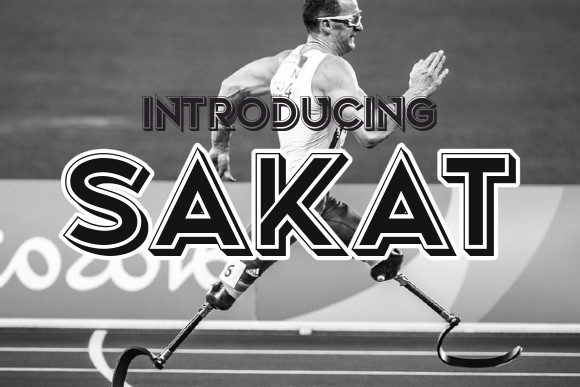
Sakat: The Bold Display Font for High-Impact Design
In the fast-paced world of visual communication, capturing attention is only half the battle. Once you have that initial glance, your design must convey authority, energy, and clarity instantly. This is where typography plays a critical role, moving beyond mere legibility to become a primary driver of emotional response. For designers tackling projects centered on speed, power, or high-energy performance, selecting the right typeface can make the difference between a forgettable layout and an unforgettable brand statement. Enter Sakat, a cool, bold, and thick lettered display font designed specifically to deliver maximum impact with minimal effort.
Sakat is not just another sans-serif; it is a purpose-built tool for modern creatives who need their text to shout without screaming. Its distinctive weight and geometric precision make it ideal for headlines, posters, digital banners, and branding assets where presence matters more than paragraph reading comfort. By understanding how Sakat functions within a design ecosystem, professionals can leverage its unique characteristics to solve common communication challenges effectively.
Understanding the Power of Heavy Typography
Before diving into the specifics of Sakat, it is essential to understand why heavy, bold fonts are so effective in contemporary design. In an era of information overload, viewers often scan content rather than read it thoroughly. A thick, substantial typeface cuts through this visual noise. It anchors a composition, providing a solid foundation that guides the eye toward key messages. Fonts like Sakat are engineered to be "display" typefaces, meaning they are optimized for large sizes where their structural integrity and stylistic nuances can shine.
The challenge for many designers lies in balancing boldness with readability. Too much weight can feel clunky or aggressive, while too little fails to command attention. Sakat addresses this balance by maintaining a clean, modern aesthetic despite its thickness. Its letters are constructed with consistent stroke widths and sharp angles, creating a sense of motion and stability simultaneously. This duality makes it particularly suited for industries that rely on perceptions of strength and reliability, such as automotive, sports, fitness, and technology.
Why Sakat Stands Out in the Market
When evaluating typefaces, designers look for versatility, character, and technical performance. Sakat distinguishes itself through its "cool" factor—a term that describes its sleek, urban, and slightly futuristic vibe. Unlike traditional slab serifs or overly decorative scripts, Sakat offers a neutral yet powerful neutrality that adapts well to various contexts. Its thick letterforms are not merely wide; they are dense and confident, offering a premium feel that elevates even simple layouts.
One of the most significant advantages of using Sakat is its ability to enhance perceived value. When used for product names, event titles, or logo lockups, the font’s substantial presence suggests quality and durability. For instance, a gym looking to promote a new high-intensity training program might choose Sakat for its headline to subconsciously communicate the intensity and physical demand of the workout. Similarly, a tech startup launching a new gaming peripheral could use Sakat to emphasize the speed and precision of their hardware.
Practical Applications Across Industries
The utility of Sakat extends across multiple sectors, each leveraging its bold nature to achieve specific marketing goals. Here are some practical scenarios where Sakat proves particularly effective:
- Sports and Athletics: In sports marketing, energy is everything. Sakat’s dynamic shape mimics the forward momentum of athletes. It works exceptionally well on jersey designs, promotional posters, and social media graphics for tournaments or team announcements. The font’s robustness mirrors the resilience required in competitive sports.
- Automotive and Transportation: Speed is visually represented through sharp lines and strong contrasts. Sakat fits seamlessly into automotive branding, whether for car dealerships highlighting performance models or logistics companies emphasizing rapid delivery services. Its industrial feel aligns perfectly with machinery and vehicle aesthetics.
- Fitness and Wellness: The fitness industry thrives on motivation and discipline. Sakat provides the visual punch needed for motivational quotes, class schedules, and apparel branding. Its thick strokes ensure that messages remain legible even from a distance, which is crucial for gym signage and outdoor advertising.
- Tech and Gaming: For digital products, especially those related to gaming or software tools, a bold font conveys innovation and cutting-edge capability. Sakat’s modern edges complement pixel art or neon-themed designs, creating a cohesive look that appeals to younger, tech-savvy audiences.
Implementation Strategies for Maximum Impact
Using Sakat effectively requires more than just dropping it onto a canvas. To harness its full potential, designers must consider pairing, spacing, and context. Since Sakat is a display font, it should primarily be used for short texts—headlines, labels, and slogans—rather than body copy. Pairing it with a lighter, simpler sans-serif for supporting text creates a harmonious hierarchy. This contrast ensures that while the headline grabs attention, the detailed information remains easy to digest.
Kerning and tracking are also vital when working with thick fonts. Because the letterforms are dense, tight spacing can cause characters to merge, reducing legibility. Allowing adequate breathing room between letters enhances the font’s architectural quality and prevents visual clutter. Additionally, experimenting with color can amplify Sakat’s impact. High-contrast combinations, such as black text on white backgrounds or vibrant neon hues on dark modes, can make the font pop and reinforce themes of energy and excitement.
Considerations for Different User Needs
Different users approach typography with varying priorities. Brand managers may focus on consistency and recognition, seeking a font that becomes synonymous with their identity. Graphic designers, on the other hand, might prioritize flexibility and ease of use within software workflows. Developers integrating web fonts need to consider load times and rendering capabilities. Sakat caters to these diverse needs by offering a versatile package that is both visually striking and technically reliable.
For smaller businesses or solo entrepreneurs, Sakat offers a cost-effective way to elevate their brand without hiring expensive creative agencies. By applying this font strategically to logos, business cards, and website headers, they can project a professional and confident image that rivals larger competitors. The key is restraint—using Sakat sparingly to highlight important elements rather than overwhelming the entire design.
Conclusion: Elevating Your Visual Voice
In conclusion, Sakat is more than just a font; it is a strategic asset for any designer or brand looking to communicate power and speed. Its bold, thick letterforms provide a strong visual anchor that commands attention and conveys confidence. Whether you are designing for sports, automotive, fitness, or tech, Sakat offers the versatility and impact needed to stand out in a crowded marketplace.
By understanding how to pair, space, and apply Sakat, creators can transform ordinary designs into compelling visual stories. Remember, the goal is not just to be seen but to be remembered. With Sakat, your message will not only reach your audience but resonate with them on a deeper, more visceral level. Start incorporating this powerful typeface into your next project and experience the difference that bold, intentional typography can make.