Megallix: Strategic Typography for High-Impact Visual Communication
In the landscape of visual design, typography is rarely just about readability; it is a primary vehicle for emotional resonance and brand positioning. For professionals tasked with creating content that demands immediate attention—particularly in genres defined by tension, mystery, or the macabre—the choice of typeface can dictate the success of a campaign. Megallix emerges as a specialized tool in this domain, offering a distinct aesthetic that blends modern geometric precision with an unsettling, horror-inspired character. It is not merely a decorative font but a strategic asset for creators who need to convey specific atmospheric qualities without relying on complex imagery.
This article explores the practical applications of Megallix, moving beyond simple aesthetic appreciation to examine how thoughtful typographic selection supports broader goals in branding, marketing, and creative production. By understanding the psychological weight of such a typeface, designers, marketers, and business owners can make more informed decisions that enhance communication clarity and audience engagement.
Understanding the Aesthetic Profile of Megallix
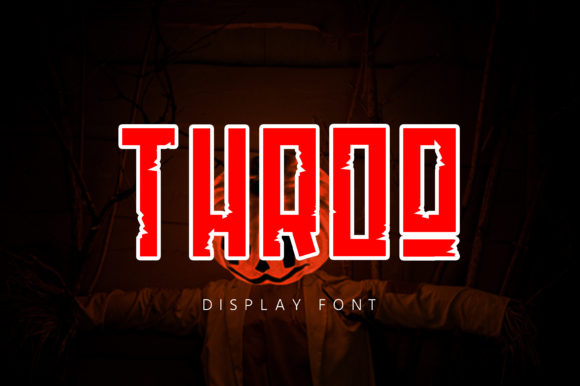
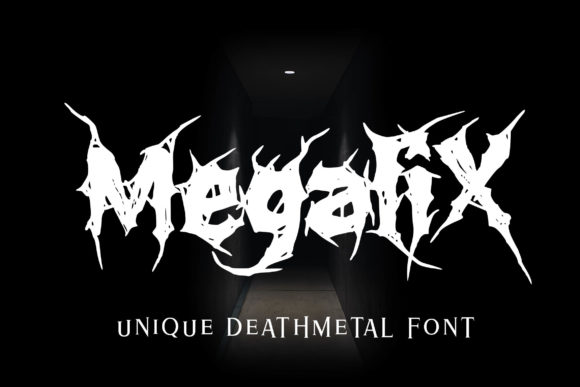
To use any design element effectively, one must first understand its inherent properties. Megallix is characterized by its sharp angles, irregular spacing, and a visual texture that evokes decay, fragmentation, or digital corruption. Unlike traditional serif or sans-serif fonts that aim for neutrality or classic elegance, Megallix is intentionally aggressive. It carries a "cool" yet eerie quality, making it instantly recognizable in contexts involving suspense, fear, or the supernatural.
The font’s structure suggests instability. The letters may appear jagged, stretched, or partially obscured, mimicking the visual language found in thriller movie posters, horror game interfaces, or edgy streetwear brands. This distinctive look allows it to cut through visual noise. In a crowded digital feed or a printed brochure, a standard font might blend into the background, but Megallix commands the eye due to its deviation from the norm. However, this power comes with responsibility. Because it is so visually dominant, it cannot be used indiscriminately without compromising legibility or professional credibility.
Key Characteristics Influencing Design Decisions
- High Contrast: The stark difference between the font and typical white space creates immediate focal points.
- Niche Appeal: It resonates strongly with audiences familiar with genre fiction, gaming, and alternative culture.
- Limited Legibility Range: While effective for headlines, it requires careful pairing for body text to maintain accessibility.
Strategic Applications in Branding and Marketing
For entrepreneurs and small business owners, every touchpoint contributes to brand identity. Using Megallix strategically can reinforce a brand’s personality if that personality aligns with themes of intrigue, boldness, or non-conformity. Consider a local escape room business, a haunted house attraction, or an independent film studio. In these sectors, the typography must communicate the experience before the customer even engages with the product. Megallix serves as a visual shorthand for these experiences, reducing the cognitive load required for the audience to understand the nature of the service.
However, strategic use extends beyond obvious niche markets. Marketers often struggle with the challenge of standing out in saturated industries. While a financial institution would never use Megallix, a fintech startup targeting a younger, risk-tolerant demographic might use it sparingly in social media graphics to signal innovation and disruption. The key is alignment. The font must support the overarching message rather than distract from it. If the goal is to convey trust and stability, Megallix will undermine those objectives. If the goal is to evoke curiosity or excitement, it becomes a powerful ally.
Enhancing Customer Experience Through Atmosphere
Customer experience (CX) is not limited to customer service interactions; it includes the entire journey from discovery to purchase. Visual design plays a critical role in setting expectations. When a user lands on a landing page featuring Megallix in the hero section, they are primed for a specific type of interaction—one that is likely immersive, interactive, or narrative-driven. This sets a clear boundary for the user experience, filtering out those who do not fit the target persona while attracting those who seek that specific vibe.
Educators and content creators can also leverage this atmospheric setup. For example, a history educator covering the darker aspects of historical events or a true-crime podcaster designing their show notes can use Megallix to frame the content appropriately. This helps learners prepare mentally for the subject matter, enhancing retention and engagement through contextual consistency.
Practical Implementation and Planning
Integrating Megallix into a project requires a structured approach. Randomly applying the font because it looks "cool" often results in designs that feel amateurish or overwhelming. Instead, treat the font as a high-impact accent within a larger typographic hierarchy. Successful implementation involves planning where the font will appear, how large it will be rendered, and what other elements will accompany it.
- Define the Hierarchy: Use Megallix exclusively for headlines, titles, or key call-to-action buttons. Avoid using it for paragraphs or navigation menus.
- Pair with Neutrals: Balance the complexity of Megallix with clean, highly readable sans-serif fonts for supporting text. This contrast ensures that the overall design remains accessible.
- Control Spacing: Horror and display fonts often require wider letter-spacing to improve readability. Tight kerning can make the jagged edges collide, creating visual clutter that confuses the reader.
- Test Across Devices: Ensure that the font renders correctly on mobile devices. Complex glyphs can sometimes break or scale poorly on smaller screens, leading to a fragmented user experience.
Decision-Making Framework for Font Selection
Before committing to Megallix, decision-makers should ask three critical questions:
- Does this font reflect our core values? If your brand stands for safety, comfort, or tradition, Megallix is a mismatch.
- Who is our target audience? Is the audience receptive to edgy, unconventional aesthetics?
- What is the desired emotional response? Are you aiming for fear, excitement, mystery, or shock?
Answering these questions honestly prevents misalignment between visual design and strategic intent. A common pitfall is using trendy fonts solely for aesthetic reasons without considering their longevity or appropriateness. While Megallix may be popular now, its strong association with horror means it may age poorly if used for evergreen content that needs to remain relevant for years.
Risks and Mitigation Strategies
Every design choice carries risk. With a typeface as distinctive as Megallix, the risks include reduced accessibility, alienation of conservative stakeholders, and brand confusion. Accessibility is a major concern. Users with dyslexia or visual impairments may find the irregular shapes of the letters difficult to parse. To mitigate this, always provide sufficient contrast and avoid using the font at small sizes. Additionally, ensure that screen readers are not impacted by the visual styling of the text.
Another risk is brand dilution. If a company uses Megallix in one campaign but reverts to generic fonts in others, the brand identity becomes fragmented. Consistency is vital for long-term recognition. If Megallix is part of the brand toolkit, it should be used consistently across all horror-themed or suspenseful communications. Mixing it with overly corporate or playful fonts can create a disjointed impression that undermines professionalism.
Long-Term Value and Adaptability
Investing time in learning how to use specialized fonts like Megallix adds value to a designer’s or marketer’s skill set. It demonstrates an ability to tailor communication to specific contexts, a highly sought-after trait in creative industries. Moreover, understanding the nuances of typeface psychology allows professionals to advocate for design choices that are rooted in strategy rather than personal preference. This shift from subjective opinion to objective reasoning strengthens team collaboration and client relationships.
For freelancers and agencies, offering expertise in atmospheric typography can be a differentiator. Clients often lack the knowledge to select appropriate fonts, leading to poor design outcomes. By guiding clients toward the right typeface for their specific goals, professionals add significant value to their services. Megallix, in this context, is not just a font file but a solution to a specific communication problem.
Conclusion on Intentional Design
Megallix is a potent instrument in the designer’s arsenal, capable of transforming ordinary layouts into compelling visual statements. Its strength lies in its specificity. It is ideal for creepy designs, Halloween promotions, movie posters, and any project requiring a sense of unease or dramatic flair. However, its effectiveness is directly proportional to the intentionality behind its use.
By approaching Megallix with a clear strategic framework—considering audience, context, and long-term brand health—professionals can harness its power to achieve better results. Whether you are a blogger looking to spice up your newsletter headers, a marketer launching a seasonal campaign, or an entrepreneur building a niche brand, Megallix offers a unique opportunity to connect with your audience on a deeper, emotional level. Let yourself be amazed by the outcome, but always ground that amazement in thoughtful planning and execution.
Remember, the best designs are not just those that look good, but those that communicate effectively. Megallix can help you say more with less, provided you respect its demanding nature and apply it with precision. As you integrate this font into your workflow, focus on the harmony between form and function, ensuring that every jagged edge and eerie curve serves a purpose in your broader narrative.