Gloomi City: Why This Fun and Creepy Display Font Might Be Your Next Design Staple
When you are scrolling through design inspiration or hunting for that perfect typeface to anchor a project, you often encounter fonts that feel safe. They are clean, legible, and utterly forgettable. Then there is Gloomi City, a display font that refuses to be ignored. It sits right at the intersection of playful informality and atmospheric creepiness, offering a casual vibe that can transform a standard layout into something memorable. But before you drag and drop it into your next poster or social media graphic, it is worth understanding exactly what this font brings to the table—and where designers frequently trip up when trying to make it work.
Understanding the Vibe: What Is Gloomi City?
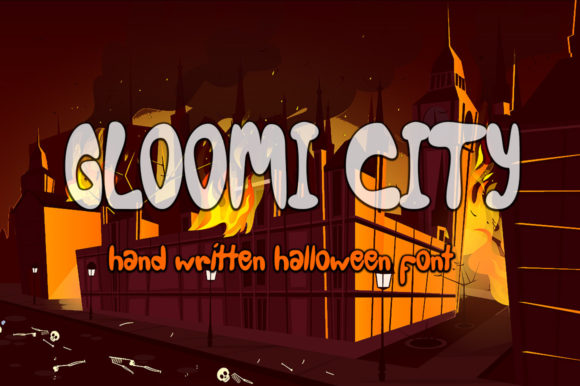
Gloomi City is not designed for long-form body text. If you try to set a 500-word blog post in this typeface, you will likely regret it within the first paragraph. Instead, think of it as a display font. Its informal style and casual vibe are intentional, crafted to give your creations a relaxed touch without sacrificing personality. The characters have a distinct hand-drawn quality, with uneven edges and a slightly distressed texture that evokes the feeling of an old, abandoned neighborhood sign or a quirky indie game title screen.
This aesthetic makes it incredibly versatile for specific niches. It works beautifully for horror-themed events, Halloween promotions, indie music album covers, or even for brands that want to project a "cool," non-corporate image. The key here is recognition: Gloomi City communicates attitude. It says, "I am approachable, but I also have a sense of humor and a bit of edge."
The Common Pitfall: Overusing Atmosphere
The most frequent mistake designers make with fonts like Gloomi City is assuming that because it looks cool, it should be used everywhere. This leads to visual fatigue. When every headline on a webpage uses a heavy, textured display font, the user’s eye has nowhere to rest. The result is a cluttered, chaotic interface that feels unprofessional rather than creative.
To avoid this, treat Gloomi City like a spice, not the main course. Use it sparingly. Let it shine in headlines, logos, or short taglines where its unique character can be appreciated. Pair it with a clean, neutral sans-serif for any supporting text. This contrast ensures that your message remains readable while still benefiting from the font’s distinctive charm. For example, if you are designing a flyer for a local haunted house attraction, use Gloomi City for the main title, but keep the date, time, and location in a simple, highly legible font.
Pairing Strategies That Work
Choosing the right companion font is crucial. Since Gloomi City is informal and somewhat irregular, it needs a partner that provides stability. Here are a few approaches that tend to yield better results:
- Clean Sans-Serifs: Fonts like Helvetica, Open Sans, or Lato provide a stark contrast that makes the display font pop. The neutrality of these pairings allows Gloomi City to take center stage without competing for attention.
- Monospaced Fonts: For a more technical or retro-gaming look, pairing Gloomi City with a monospaced font can create a cohesive "cyberpunk" or "glitch" aesthetic. This works well for tech startups with a quirky brand identity or gaming-related content.
- Handwritten Scripts: While risky, a delicate script font can complement the casual vibe of Gloomi City if used carefully. Ensure the script is light and airy so it does not clash with the heavier weight of the display font.
Misunderstanding Licensing and Usage Rights
Another area where creators often stumble is regarding licensing. Because Gloomi City has such a distinct, almost "found object" appearance, some users mistakenly believe it is free for commercial use or that it belongs to the public domain. This is a dangerous assumption. Using a font without proper licensing can lead to legal issues, fines, and forced removal of your marketing materials.
Before downloading or purchasing Gloomi City, always verify the license terms. Are you allowed to use it for client work? Does the license cover digital ads, print merchandise, or both? Some fonts require separate licenses for web embedding versus print. Taking five minutes to read the fine print can save you significant headaches down the road. If the font is sold through a marketplace, check the product page for clear details on usage rights. If you are unsure, contact the designer directly. Transparency protects your brand’s reputation and your wallet.
Evaluating Legibility vs. Aesthetic Appeal
In the world of display typography, aesthetics often trump readability, but there is a line where fun becomes frustrating. With Gloomi City, the challenge is ensuring that your audience can actually read what you are saying. The informal style means that some letters may look similar or lack clear definition at small sizes.
A practical test is to scale your design down. If you reduce the headline to the size it would appear on a mobile device, can you still distinguish the words? If the answer is no, you need to adjust your strategy. You might need to increase the letter spacing (kerning) or choose a larger point size. Remember, the goal is communication. If the font obscures the message, it has failed its primary function, no matter how creepy or fun it looks.
Context Matters
Consider where your audience will encounter the font. On a large billboard, Gloomi City’s details can be fully appreciated. On a tiny icon or a favicon, those same details become muddy blobs. Always design with the end-use context in mind. If you are creating assets for multiple platforms, ensure you have a fallback plan or a simplified version of the design that maintains clarity across all formats.
Final Thoughts on Making the Right Choice
Gloomi City is a powerful tool in a designer’s arsenal, provided it is used with intention. It offers a relaxed touch and a unique personality that can elevate branding efforts for creators, entrepreneurs, and marketers alike. By avoiding common mistakes—such as overuse, poor pairing, licensing negligence, and ignoring legibility—you can harness its full potential.
Take your time evaluating whether this font aligns with your project’s goals. Ask yourself if the "creepy yet fun" vibe matches your brand voice. If it does, let it guide your design decisions. If not, there are plenty of other options out there. But if you decide to bring Gloomi City into your workflow, do so confidently, knowing you have chosen a typeface that balances style with strategic application. In the end, good design is not just about looking good; it is about communicating effectively, and Gloomi City, when handled correctly, does just that.