Evaluating Heart Dream: A Practical Guide to Choosing the Right Display Font for Festive Projects
Selecting the correct typography is often the most overlooked yet critical step in visual communication. For designers, educators, and parents involved in school projects or children’s activities, the font must do more than simply convey text; it must establish a tone, evoke emotion, and maintain legibility under specific constraints. Heart Dream has emerged as a notable option in this space, positioning itself as a cute, festive, and versatile display font. But does it truly fit your project needs? This evaluation explores the characteristics of Heart Dream, compares it against broader typographic categories, and helps you determine whether it is the right tool for your next creative endeavor.
Understanding the Core Identity of Heart Dream
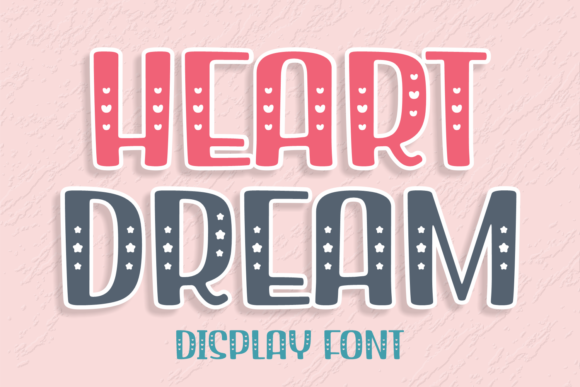
At its core, Heart Dream is designed with intentionality toward playfulness and authenticity. Unlike generic decorative fonts that may feel dated or overly chaotic, Heart Dream aims for a balance between whimsy and readability. The term "display font" indicates that this typeface is intended for large sizes—headlines, posters, banners, and titles—rather than body text. This distinction is vital for users who might be tempted to use it for long-form reading, which would likely result in user fatigue and poor comprehension.
The aesthetic of Heart Dream leans heavily into the "cute" category, characterized by rounded edges, soft curves, and often irregular baseline alignments that mimic hand-drawn energy without sacrificing structural integrity. This makes it particularly effective for:
- Festive Occasions: Holiday cards, party invitations, and seasonal decorations where warmth and cheer are paramount.
- Children’s Media: Book covers, classroom posters, and activity sheets where engagement is key.
- Craft and DIY Projects: Labels for gift boxes, scrapbooking elements, and handmade signage.
However, "versatile" is a strong claim for any decorative font. To understand if Heart Dream delivers on this promise, one must look at how it handles different weights, styles, and contextual applications compared to standard sans-serif or serif alternatives.
Comparative Analysis: Heart Dream vs. Standard Display Options
When evaluating Heart Dream, it is helpful to compare it against two common alternatives: rigid geometric sans-serifs and traditional script fonts. Each serves a different psychological purpose in design.
Heart Dream vs. Geometric Sans-Serifs
Geometric sans-serifs (like Futura or Helvetica Now) are known for their neutrality, cleanliness, and modernity. They are excellent for corporate branding, technical documentation, and minimalist designs. In contrast, Heart Dream introduces personality and emotional resonance. If your goal is to communicate efficiency, data, or seriousness, Heart Dream will work against your message. However, if the goal is to create an inviting, friendly atmosphere, Heart Dream outperforms neutral sans-serifs by adding visual interest without requiring additional graphic elements.
The tradeoff here is clarity versus character. While geometric fonts offer maximum legibility at small sizes, Heart Dream requires larger point sizes to be appreciated fully. Users should consider the viewing distance of their final output. For a child’s name tag on a desk, Heart Dream is ideal. For a menu item description on a crowded board, a simpler font may be safer.
Heart Dream vs. Handwritten Scripts
Another common alternative in the "cute" and "festive" category is the handwritten script font. These fonts attempt to replicate human handwriting. While authentic, many script fonts suffer from inconsistent stroke widths and difficult-to-read ligatures. Heart Dream distinguishes itself by offering a stylized version of handwriting that retains the charm of human touch but improves upon consistency. It avoids the potential confusion of cursive loops while maintaining a soft, approachable vibe. This makes Heart Dream a safer choice for audiences that include young readers or those who may struggle with complex letterforms.
Practical Applications and Best-Fit Scenarios
To make an informed decision, it is useful to visualize Heart Dream in real-world scenarios. Its strengths lie in contexts where emotional connection drives engagement.
School Projects and Classroom Materials
Teachers and students often struggle to find fonts that are both fun and functional. Heart Dream serves as an excellent choice for bulletin boards, award certificates, and classroom labels. Its playful nature captures attention, which is crucial for keeping young learners engaged. However, when creating worksheets or reading passages within these projects, pairing Heart Dream with a highly readable body font is recommended. Using Heart Dream exclusively can lead to cognitive overload for early readers.
Festive Events and Celebrations
The "festive" attribute of Heart Dream shines during holidays and special events. Whether designing invitations for a birthday party, a baby shower, or a seasonal celebration, the font’s inherent warmth helps set the mood. It pairs well with bright colors and illustrative graphics. For example, using Heart Dream for the main title of a Halloween invitation creates a spooky-cute vibe that appeals to both children and adults, whereas a standard horror-themed font might be too aggressive for a family-friendly event.
Digital Content and Social Media
In the digital realm, where attention spans are short, unique typography stands out. Heart Dream can be used effectively for social media graphics, blog headers, and email newsletters targeting family-oriented demographics. Its versatility allows it to adapt to various color palettes, from pastel tones for spring events to bold primaries for summer activities. However, accessibility should always be considered. Ensure sufficient contrast between the font color and background to maintain readability for all users, including those with visual impairments.
Evaluating Limitations and Tradeoffs
No single font is perfect for every situation. Understanding the limitations of Heart Dream is just as important as recognizing its strengths. Here are key factors to consider before making a purchase or download decision.
- Legibility at Small Sizes: As a display font, Heart Dream loses its appeal and becomes difficult to read when scaled down. Avoid using it for footers, captions, or dense blocks of text.
- Niche Appeal: The "cute" and "festive" style may not align with professional, corporate, or serious educational materials. Using Heart Dream for a high school physics exam or a legal document would undermine the credibility of the content.
- Pairing Challenges: Because Heart Dream has a strong visual identity, finding complementary fonts can sometimes be tricky. It works best with simple, neutral fonts that do not compete for attention. Complex pairings can result in a cluttered and unprofessional look.
Decision Factors: When to Choose Heart Dream
Ultimately, the decision to use Heart Dream depends on the specific goals of your project. Consider asking yourself the following questions:
- What is the primary emotion I want to convey? If the answer is joy, warmth, playfulness, or nostalgia, Heart Dream is a strong candidate.
- Who is the target audience? If the audience includes children, families, or individuals seeking a lighthearted experience, this font aligns well with their expectations.
- Where will the text appear? If the text will be displayed prominently at a large size, such as on a poster, banner, or screen header, Heart Dream will shine. If it will be used for detailed information, reconsider.
- Does it fit the overall brand or theme? Ensure that the font’s style matches the other visual elements in your design. Consistency is key to effective communication.
Conclusion
Heart Dream offers a compelling solution for creators looking to add a touch of authenticity and festivity to their projects. Its blend of cuteness and versatility makes it a valuable asset for children’s activities, school projects, and celebratory designs. However, like any design tool, it requires thoughtful application. By understanding its strengths, limitations, and ideal use cases, you can leverage Heart Dream to enhance your visual storytelling without compromising clarity or professionalism. When used appropriately, it transforms ordinary text into an engaging visual experience that resonates with audiences on an emotional level.