Doodlebic: Navigating the Nuances of Arabic-Inspired Display Typography
Selecting the right typeface is rarely just about aesthetics; it is a strategic decision that influences readability, brand perception, and user engagement. When designers encounter Doodlebic, they are often drawn to its distinctive character. It is a trendy, Arabic-styled display font that brings a sense of fluidity and artistic flair to any project. However, the very features that make Doodlebic visually striking—its decorative nature and specific encoding—can also lead to common pitfalls if not understood correctly. This guide aims to help creators, marketers, and developers leverage this font effectively while avoiding the technical and design traps that often undermine such unique typefaces.
Understanding the Appeal and Identity of Doodlebic
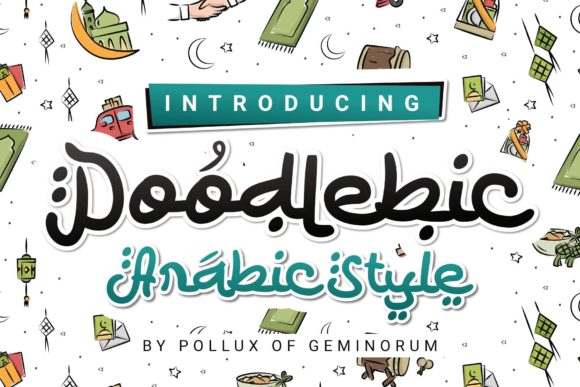
Doodlebic is not a standard sans-serif or serif font designed for dense body text. Instead, it falls squarely into the category of display typography. Its style mimics the organic, flowing strokes found in traditional Arabic calligraphy but adapts them into a modern, "doodle" aesthetic. This makes it an excellent choice for headlines, logos, posters, and social media graphics where visual impact takes precedence over long-form readability.
The primary reason professionals choose Doodlebic is its ability to convey creativity and cultural nuance without being overly literal. It adds a layer of sophistication and playfulness simultaneously. For entrepreneurs and bloggers looking to stand out in a crowded digital landscape, using a font with such distinct personality can significantly enhance brand identity. It signals that the content is curated, artistic, and thoughtful. However, this strength is also its limitation. Using Doodlebic for paragraphs of text will result in cognitive fatigue for the reader, causing them to disengage from your message entirely.
The PUA Encoding Advantage and Misconceptions
One of the most significant technical aspects of Doodlebic is that it is PUA (Private Use Area) encoded. For many users, especially those new to typography, this term can sound intimidating or confusing. In simple terms, PUA encoding means that the font’s glyphs are mapped to unused Unicode characters rather than standard ASCII codes. While this might seem like a technical quirk, it offers a substantial benefit: access to all swashes, ligatures, and alternate glyphs with ease.
Because the font uses the Private Use Area, you can access every variation within the font file directly through your keyboard shortcuts or font panel, provided your software supports it. This allows for a highly customized look where each letter can be swapped for a more decorative version without needing multiple font files. However, this leads to a critical misunderstanding. Many users assume that because they have the font installed, they can simply type normally and get these effects. They cannot. Standard typing will only yield the base glyphs. To utilize the full potential of Doodlebic, you must actively select the swashes and alternates. Failing to do so results in a flat, unimpressive output that does not justify the investment in the font.
Common Pitfalls in Implementation
Even with a beautiful font like Doodlebic, poor execution can ruin a design. Below are frequent errors observed in both amateur and professional projects, along with practical advice on how to correct them.
- Misusing the Font for Body Copy: The most egregious error is setting large blocks of text in Doodlebic. Its irregular stroke weights and decorative curves disrupt the reading rhythm. Solution: Reserve Doodlebic for titles, headers, and short phrases under ten words. Pair it with a clean, neutral sans-serif or serif font for any explanatory text. This contrast creates hierarchy and ensures your message is actually consumed.
- Neglecting Kerning and Spacing: Arabic-inspired fonts often have varying widths and overlapping elements. When letters are placed too close together, the intricate details become muddy and illegible. Solution: Always manually adjust kerning. Increase tracking (letter-spacing) slightly to let the glyphs breathe. A spacious layout enhances the elegance of the font rather than cluttering it.
- Ignoring Color Contrast: Decorative fonts rely heavily on shape recognition. If the background color is too similar to the font color, the intricate details vanish. Solution: Ensure high contrast between the text and its background. Dark text on light backgrounds or vice versa works best. Avoid pastel-on-pastel combinations unless the font weight is exceptionally bold.
- Overlooking Cross-Platform Compatibility: Because Doodlebic is PUA encoded, it may not render consistently across all devices or older operating systems if embedded incorrectly in web code. Solution: If using Doodlebic on a website, consider converting key headlines to SVGs or images. This guarantees that the visual appearance remains identical regardless of whether the user has the font installed. For print materials, ensure the PDF embeds the font subset to preserve the PUA mappings.
Evaluating Cost vs. Value
When purchasing a specialized display font like Doodlebic, it is important to evaluate the license terms carefully. Some vendors offer cheap licenses that restrict usage to personal projects only, which can be problematic for freelancers and small business owners who need commercial rights. Conversely, expensive enterprise licenses may include unnecessary features if you only need basic glyph access.
Before buying, check the following:
- Licensing Scope: Does the license cover web, print, and app usage? Ensure it aligns with your distribution channels.
- File Format Support: Verify that the download includes OTF and TTF formats for maximum compatibility with design software like Adobe Illustrator, Photoshop, and Canva.
- Documentation: Good vendors provide a PDF guide showing all available swashes and their corresponding keyboard shortcuts. This saves hours of trial and error when trying to find specific glyphs.
By verifying these details upfront, you avoid the frustration of discovering mid-project that you lack the necessary rights or technical tools to use the font effectively. This proactive approach protects your budget and streamlines your workflow.
Best Practices for Creative Application
To truly let yourself be amazed by the outcome generated by Doodlebic, treat it as a partner in your design process rather than a default option. Start with a clear concept. Are you aiming for a bohemian vibe? A modern fusion aesthetic? Or perhaps a culturally rich editorial look? Align the font’s energy with your brand voice.
Experiment with layering. Try placing Doodlebic over textured backgrounds or integrating it with photographic elements. The organic lines of the font can soften harsh geometric layouts, adding warmth and human touch. However, always step back and view your design at a distance. If the font becomes difficult to read or clashes with other visual elements, simplify. Less is often more when dealing with high-impact typography.
Furthermore, stay updated with design trends but remain timeless. Doodlebic has a contemporary feel, but pairing it with classic design principles—balance, alignment, and proximity—will ensure your work ages well. Don’t let the novelty of the font overshadow the clarity of your communication. The goal is to enhance the message, not distract from it.
Conclusion for the Discerning Creator
Doodlebic is a powerful tool in the typographic arsenal, offering a unique blend of Arabic-inspired artistry and modern doodle aesthetics. Its PUA encoding provides unparalleled flexibility for creative expression, allowing designers to craft custom looks with ease. However, success depends on respecting the font’s limitations. By avoiding the misuse of display fonts for body text, paying attention to spacing and contrast, and understanding the technical implications of PUA encoding, you can create designs that are not only visually stunning but also effective and professional.
Add Doodlebic confidently to your favorite creations, but do so with intention. Check your licensing, plan your layout, and prioritize readability alongside beauty. When used correctly, this font can elevate your branding, captivate your audience, and deliver the high-quality outcomes you expect. Take the time to learn its nuances, and it will reward you with versatile, eye-catching results that set your work apart in a competitive market.