The Rebound Font Evaluation
In the landscape of contemporary graphic design, typography plays a pivotal role in defining brand identity and visual hierarchy. When designers seek to convey energy, urban culture, or dynamic movement, they often turn to display fonts that break traditional typographic rules. The Rebound is one such typeface, characterized by its graffiti-styled aesthetic and street art vibe. This article provides an objective evaluation of The Rebound, exploring its characteristics, ideal use cases, limitations, and how it compares to other options in the market.
Understanding The Rebound
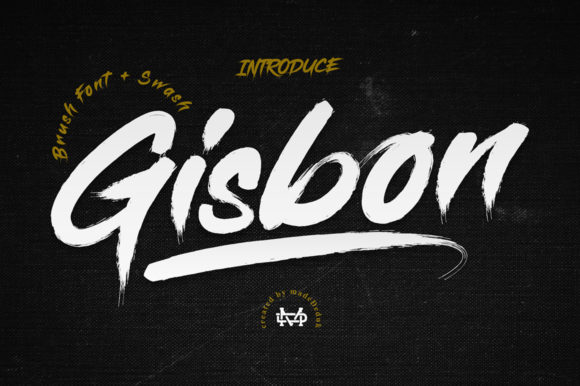
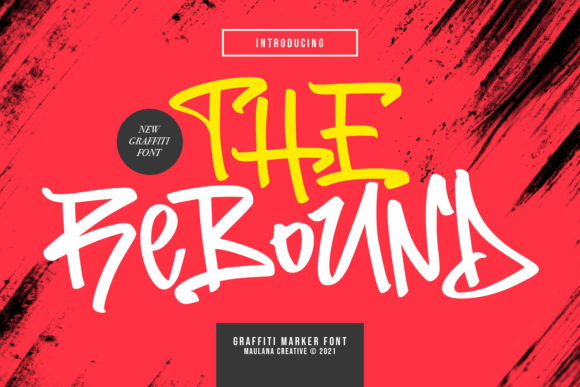
The Rebound is not a standard serif or sans-serif typeface designed for body text. Instead, it belongs to the category of display fonts, specifically those inspired by graffiti and street art movements. The font features irregular strokes, sharp angles, and a hand-drawn quality that mimics the look of spray paint on concrete. Its name suggests motion and impact, which is reflected in the way the letters seem to bounce or shift off the baseline.
Key visual characteristics include:
- Irregular Geometry: The letters are not perfectly uniform, giving them an authentic, handmade feel.
- High Contrast: Thick and thin strokes create visual interest and draw attention.
- Urban Aesthetic: The design language is rooted in hip-hop culture and urban art scenes.
- Dynamic Energy: The overall composition feels active and loud, suitable for grabbing immediate attention.
For designers, understanding these traits is crucial before integrating The Rebound into a project. It is a statement font, meaning it speaks loudly but says little in terms of readability over long distances or lengths.
Why Designers Consider The Rebound
There are several reasons why a designer might evaluate The Rebound for their next project. The primary driver is usually the need to communicate a specific mood or cultural association quickly.
Brand Identity for Youth-Oriented Markets
Brands targeting younger demographics, such as skate shops, sneaker boutiques, or music festivals, often require visual assets that resonate with youth culture. The Rebound’s street art vibe aligns naturally with these industries. It signals authenticity, rebellion, and creativity without needing additional imagery to set the tone.
Sportswear and Athletic Apparel
The fitness and sportswear industry frequently utilizes bold, energetic typography to convey strength and agility. The Rebound’s dynamic structure fits well within this context. Logos for gyms, running clubs, or athletic apparel lines can leverage the font’s aggressive styling to create a memorable mark.
Event Posters and Advertisements
In print and digital advertising, especially for concerts, sports events, or club nights, visibility is paramount. The Rebound stands out in crowded visual environments. Its high contrast and unique shapes ensure that headlines catch the eye, making it a practical choice for posters where the message must be understood at a glance.
Benefits and Tradeoffs
Like any tool, The Rebound comes with distinct advantages and limitations. A balanced evaluation requires looking at both sides.
Benefits
- Immediate Visual Impact: The font commands attention. In a feed of images or a busy storefront, it is difficult to ignore.
- Cultural Relevance: It carries inherent associations with street culture, which can add depth to brands positioned within that space.
- Versatility in Application: While primarily a display font, it works effectively across various mediums, from t-shirt prints to large-scale billboards.
Tradeoffs and Limitations
- Poor Readability: The Rebound is not suitable for body copy. Attempting to use it for paragraphs of text will result in reader fatigue and confusion.
- Niche Appeal: If a brand aims for elegance, minimalism, or corporate professionalism, The Rebound will likely clash with those values. It can appear unprofessional if misapplied.
- Legibility Issues at Small Sizes: Due to its intricate details and irregular shapes, the font may lose its character or become illegible when scaled down too small.
Situational Fit: When to Use (and Avoid) The Rebound
To determine if The Rebound aligns with your goals, consider the specific context of your design project.
Strong Fit Scenarios
The Rebound is an excellent choice when:
- You are designing a logo for a brand that wants to appear edgy, youthful, or artistic.
- You are creating t-shirt designs or merchandise that celebrates urban culture.
- You are working on advertisements for events like rap concerts, skate competitions, or street food festivals.
- You need a headline that needs to pop against a complex background image.
When to Seek Alternatives
Avoid The Rebound when:
- You are designing a corporate website or financial report where trust and clarity are priorities.
- You need to write long-form content, such as blog posts or user manuals.
- Your target audience includes older demographics who may prefer more traditional, legible typography.
- The design aesthetic is minimalist or luxury, where clean lines and negative space are preferred over chaotic energy.
Practical Decision-Making Insights
Selecting the right font involves more than just liking how it looks. It requires assessing functionality alongside aesthetics. Here are some practical steps to help you decide if The Rebound is the right tool for your job.
Test Against Your Brand Voice
Ask yourself: Does "graffiti" match our brand personality? If your brand voice is serious, authoritative, or serene, The Rebound will send mixed messages. If your voice is playful, bold, or rebellious, it may be a perfect fit.
Consider Pairing Options
Because The Rebound is so dominant, it pairs best with simple, neutral typefaces. Using a clean sans-serif for body text or secondary information can balance the visual weight of the headline. This combination allows you to enjoy the stylistic flair of The Rebound while maintaining readability elsewhere.
Evaluate Scalability
Before finalizing your choice, test The Rebound at different sizes. Look at how it performs on a mobile screen versus a billboard. If the details get muddy or the letters blend together at smaller scales, you may need to simplify the design or choose a less intricate alternative.
Review Licensing and Availability
Ensure that the license for The Rebound covers your intended use case. Display fonts often have specific restrictions regarding commercial use, number of users, or distribution methods. Always verify these details to avoid legal issues later.
Conclusion
The Rebound is a powerful display font that brings a distinct street art energy to graphic design projects. It excels in contexts where boldness, cultural relevance, and visual impact are required. However, its niche appeal and limited readability mean it is not a universal solution. By carefully considering your brand’s voice, target audience, and specific design needs, you can determine whether The Rebound enhances your project or detracts from it. For the right application, it remains a strong contender in the toolkit of designers seeking to make a statement.